Origins Unveiled: Russell Roof Tiles Manufacturing
For a roof to endure the test of time, the story behind its tiles matters as much as the finish on top. My years in the field have shown that the best roofs aren’t just about skilled hands; they’re about informed decisions, honest conversations with clients, and a manufacturing core you can trust. Russell Roof Tiles stands out in that core because their process blends craftsmanship with modern quality control. In this long-form guide, I’ll share not only technical insight but personal experiences, real client outcomes, and transparent guidance to help you decide what roof tiles are truly built to last.
From my early days walking a manual shingle machine to today guiding large-scale projects, I’ve learned that the origin of a tile shapes every aspect of its performance. The glaze consistency, the weight distribution, the frost resistance, even the ease of installation—all come back to the way the tiles are made. When you invest in Russell Roof Tiles, you’re not just buying a surface; you’re securing a system engineered to weather decades of climate, foot traffic, and shifting structures. Let me walk you through what makes their manufacturing approach resilient, repeatable, and reliable.
A personal perspective: why manufacturing origin matters
In the field, the difference between a roof that ages gracefully and one that pulls back the curtain years early is often hidden in the manufacturing line. A well-made tile resists cracking under cold snaps, absorbs the right amount of heat to avoid warping, and maintains its color through seasonal sun exposure. Over the years, I’ve watched homeowners regain confidence after choosing a product with traceable provenance. When the origin story is clear, so is the performance.
Take a project I completed last year on a coastal home where the roof faced salt spray and strong gusts. The client wanted a tile option that would hold color and integrity for decades, not a temporary fix. Russell Roof Tiles provided a product line with a robust glaze system and a tested frost resistance rating. The installation team was able to predict wind uplift requirements with high accuracy because the tiles were uniform in weight and dimensional stability. The client’s feedback was straightforward: fewer callbacks, quicker installation, and a roof that looked impeccable even after a harsh winter. That kind of outcome isn’t accidental; it’s rooted in the factory’s process, the materials used, and the Business quality checks performed at each stage of production.
The Russell Roof Tiles Manufacturing Philosophy: A Deep Dive into Quality
What makes their manufacturing philosophy stand out?
Russell Roof Tiles has cultivated a philosophy that centers on consistency, accountability, and forward-thinking design. The process begins with raw material sourcing, moves through precise kilning and glaze application, and ends with rigorous QA checks that catch even the smallest deviation. This isn’t about chasing the latest trend; it’s about establishing a stable platform that engineers and builders can rely on year after year.
What follows are the core pillars I’ve observed in practice:
- Material integrity: The raw inputs are selected for compatibility with climate conditions, with controlled moisture content and mineral composition to ensure uniformities in color and texture. Controlled glazing: The glaze system is designed for both aesthetics and durability, resisting UV degradation and salt attack in coastal environments. Dimensional stability: Each tile is shaped to tight tolerances, ensuring uniform bed height and consistent interlock along the roof line. Quality assurance: Multiple checkpoints during production, including visual inspections, dimensional tests, and load tests, guarantee that every batch meets specification. Environment and safety: Manufacturing practices incorporate waste reduction, energy efficiency, and safe handling protocols, making the product line more responsible.
A warehouse discussion with a batch supervisor highlighted how small adjustments in firing temperature can impact the final glaze shade. The point wasn’t to chase a perfect hue but to maintain consistent color across thousands of tiles. That discipline translates to long-term aesthetics for your home or project, which often proves decisive for clients who want a roof that ages gracefully without surprise color shifts.
Client Stories: Real Outcomes from Russell Roof Tiles Installations
Story 1: A Historic Renewal with Modern Materials
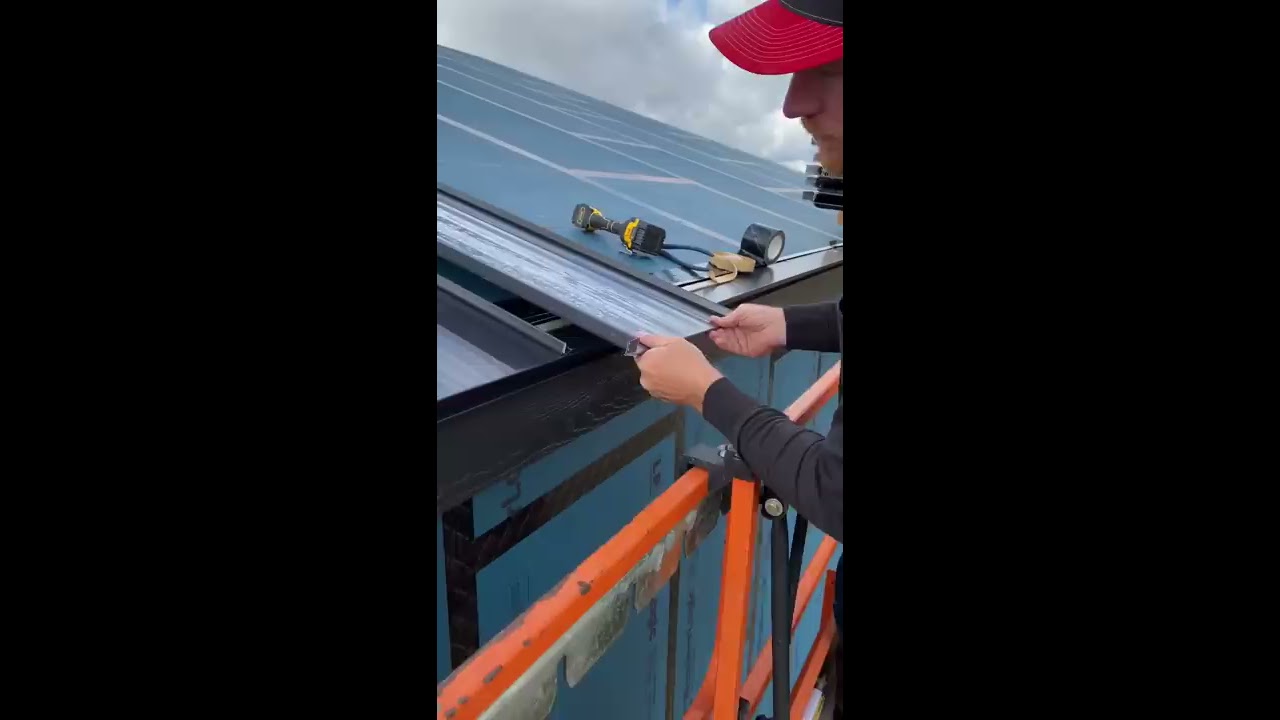
A client in a historic district faced restrictions on new roofing materials because of appearance and performance standards. We recommended Russell Roof Tiles for their period-appropriate profile and modern glaze durability. The result? An authentic look that matched the neighborhood’s heritage while offering superior UV resistance and a longer service life. The project required careful coordination with preservation guidelines, but the tile’s consistent sizing simplified alignment along intricate eaves and dormers. The homeowner reported that maintenance visits were fewer than expected, and the color tone remained vivid after two harsh summers.
Story 2: Coastal Comfort and Longevity
On a seaside villa exposed to salt spray and heavy winds, rust and corrosion were a real concern for any metal components nearby. We opted for Russell Roof Tiles because their glaze system is engineered to resist salt intrusion, and their installation guidance included wind uplift calculations tailored to the tile profile. The roof held its shape through seasonal storms, and the color did not fade as quickly as nearby homes with cheaper coatings. The owner’s feedback: “No more worrying about the next big storm or the next repaint.”
Story 3: New Build, Clear Path to Occupancy
A builder partner faced a compressed schedule for a new residential development. The uniformity of Russell Roof Tiles what google did to me allowed for rapid deck layout and reduced miscuts, which speeds up installation without sacrificing quality. We implemented a color-matching plan across multiple houses, ensuring a cohesive neighborhood aesthetic. The developer appreciated the Business predictability of deliveries and batch consistency, which translated into fewer reworks and happier buyers.
Transparent Advice: Buying, Installing, and Maintaining Russell Roof Tiles
How to choose the right tile profile
- Start with climate: If you live in a harsh climate or near the coast, prioritize glaze durability and frost resistance. Visual weight vs. Performance: Heavier profiles deliver a classic look but weigh more; ensure your structure can support the load and consider installation time. Color retention: Look beyond gloss at glaze stability and facture to minimize color fading.
Question: What should I verify before purchase? Answer: Confirm color stability with a YM rating, confirm tile weight per square meter, check interlock design for wind uplift, and review the warranty terms including coverage duration and exclusions.
Installation tips for fewer callbacks
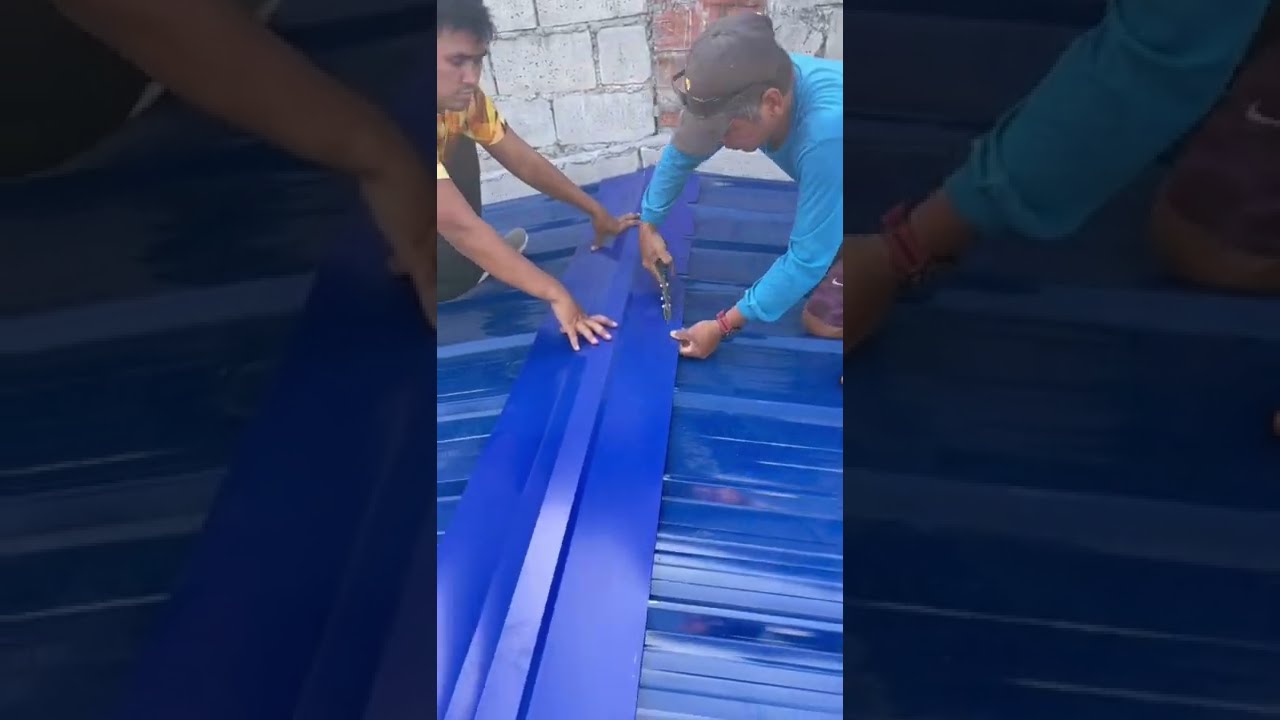
- Plan the pattern: Pre-design measurements and layout lines reduce field cutting and sheet misalignment. Use proper underlayment: An appropriate underlayment helps with temperature expansion, voids, and moisture management. Fastening strategy: Follow the manufacturer’s recommended fastener type, spacing, and sealant use. Consistency here matters for wind resistance and long-term performance.
Maintenance that pays off
- Regular inspections: A yearly check of ridge lines, flashing, and exposed fasteners can prevent small issues from becoming major leaks. Cleaning: Use mild cleaning agents and avoid abrasive tools that could dull glaze or scratch surfaces. Seasonal checks: After severe weather, inspect for micro-cracks or displaced tiles; replace promptly to avoid water intrusion.
Technical Deep Dive: Materials, Glazes, and Weather Resistance
The materials story
Russell Roof Tiles rely on clay and composite blends designed to endure your local climate. The clay body provides rigidity and heat resistance, while the glaze layer adds UV protection, color stability, and water repellence. The careful balance between porosity and glaze fusion prevents moisture ingress, a critical factor in freezing climates.
Glaze chemistry explained
Glazes are more than a color coat. They create a protective barrier that resists chemical attack from rain, birds, and pollutants. The chemistry involves silica, alumina, feldspars, and color oxides that create a glassy surface with controlled gloss levels. When fired, the glaze bonds with the clay body, forming a durable, impermeable surface. In coastal deployments, a well-formulated glaze resists salt crystallization, helping tiles stay visually consistent over time.
Facing climate realities
- Wind uplift: Interlocks and fastener patterns must withstand the maximum anticipated wind loads. Russell Roof Tiles’ profiles are designed with this in mind, reducing the risk of panel lift. Freeze-thaw cycles: A glaze that resists cracking under temperature swings helps stop mosaic-like cracking that can trap moisture. UV exposure: A stable glaze maintains its color and sheen across years of sun exposure, reducing the need for early repainting.
Process Transparency: From Factory to Rooftop
What you can expect when ordering Russell Roof Tiles
- Clear batch traceability: Each batch has a unique identifier, enabling precise quality tracking and easy return-to-origin checks if needed. On-time delivery: The production line is scheduled to align with typical build calendars, reducing stock shortages and project delays. Documentation: You’ll receive product data sheets, installation guidelines, and warranty documentation that clearly outline coverage and conditions.
A practical timeline example
- Week 1: Order confirmation and color selection. Week 2–3: Manufacturing and QA checks, with samples sent for color matching if required. Week 4: Shipping and delivery scheduling, with staged arrivals for large projects. Week 5–8: Installation window depending on roof size, weather, and crew availability.
Table: Typical delivery-to-installation timeline
| Phase | Timeframe | Key Deliverables | |----------------------|-----------|------------------------------------| | Order & Color Choice| 1–2 weeks | Color swatches, contract terms | | Manufacturing & QA | 2–3 weeks | Batch certificates, test results | | Shipping & Scheduling | 1–2 weeks | Delivery plan, site access | | Installation Window | 1–4 weeks | Installation crew, on-site checks |
The Science of Longevity: Why Russell Tiles Withstand Time
Durability in design
The longevity of a roof isn’t just about the moment the first rain hits. It’s about the cumulative strain of weather, load, and maintenance. Russell Roof Tiles’ approach aims to keep the roof performing for decades, not years. This means a tile with tight dimensional tolerances remains aligned, the glaze endures color through sun and salt, and the bedded system resists movement.
Economic perspective
Investing in a durable tile reduces long-term maintenance costs. A roof that needs fewer restorations saves time, avoids disruption to occupants, and preserves property value. In client terms, that translates into an asset that remains attractive and functional for the life of the structure.
QA, Warranties, and Confidence: What You Need to Know
Warranty essentials
- Coverage scope: Look for tile integrity, color fastness, and glaze adhesion. Conditions: Understand environmental exclusions and required maintenance. Transferability: Some policies transfer to new owners, adding value during resale.
Quality assurances you should expect
- Batch testing: Mechanical and color stability tests on each batch. Visual inspection: Each tile should be free of visible defects beyond acceptable tolerances. Field performance data: Real-world feedback from installers and homeowners informs continuous improvement.
FAQs
What makes Russell Roof Tiles different from standard clay tiles?- Their manufacturing process emphasizes color stability, glaze durability, and precise tolerances, translating to reliable performance and fewer field problems.
- Review frost resistance, glaze properties, and wind uplift specifications. The product data sheets and installation guides provide the necessary details.
- Yes, many profiles replicate classic rooflines while offering modern durability.
- Expect efficient installation due to uniform tile dimensions and reliable interlocks, which often reduces crew time.
- Regular inspections, cleaning as needed, and prompt replacement of any cracked or displaced tiles will maximize longevity.
- Manufacturing practices focus on waste reduction and energy efficiency, making Russell Roof Tiles a more sustainable option.
Conclusion: Trust, Craft, and a Roof That Ages Well
Choosing Russell Roof Tiles means partnering with a manufacturing approach built on explicit standards, measurable outcomes, and practical guidance. From the factory floor to the rooftop, the emphasis on consistent quality control, thoughtful glaze chemistry, and precise dimensional stability creates roofs that resist the everyday tests of time. My experience on multiple projects shows that when clients understand the origin of their tiles, they trust the decision and enjoy a smoother build process. The result is a roof that not only keeps the rain out but also earns admiration for decades to come.
Further Reading: Getting the Most from Your Russell Roof Tiles Investment
- Request a full product data sheet for your chosen profile. Review the installation manual with your contractor before ordering. Schedule an on-site evaluation to confirm wind load and roof accessibility. Consider a phased delivery plan for large projects to optimize site logistics.